

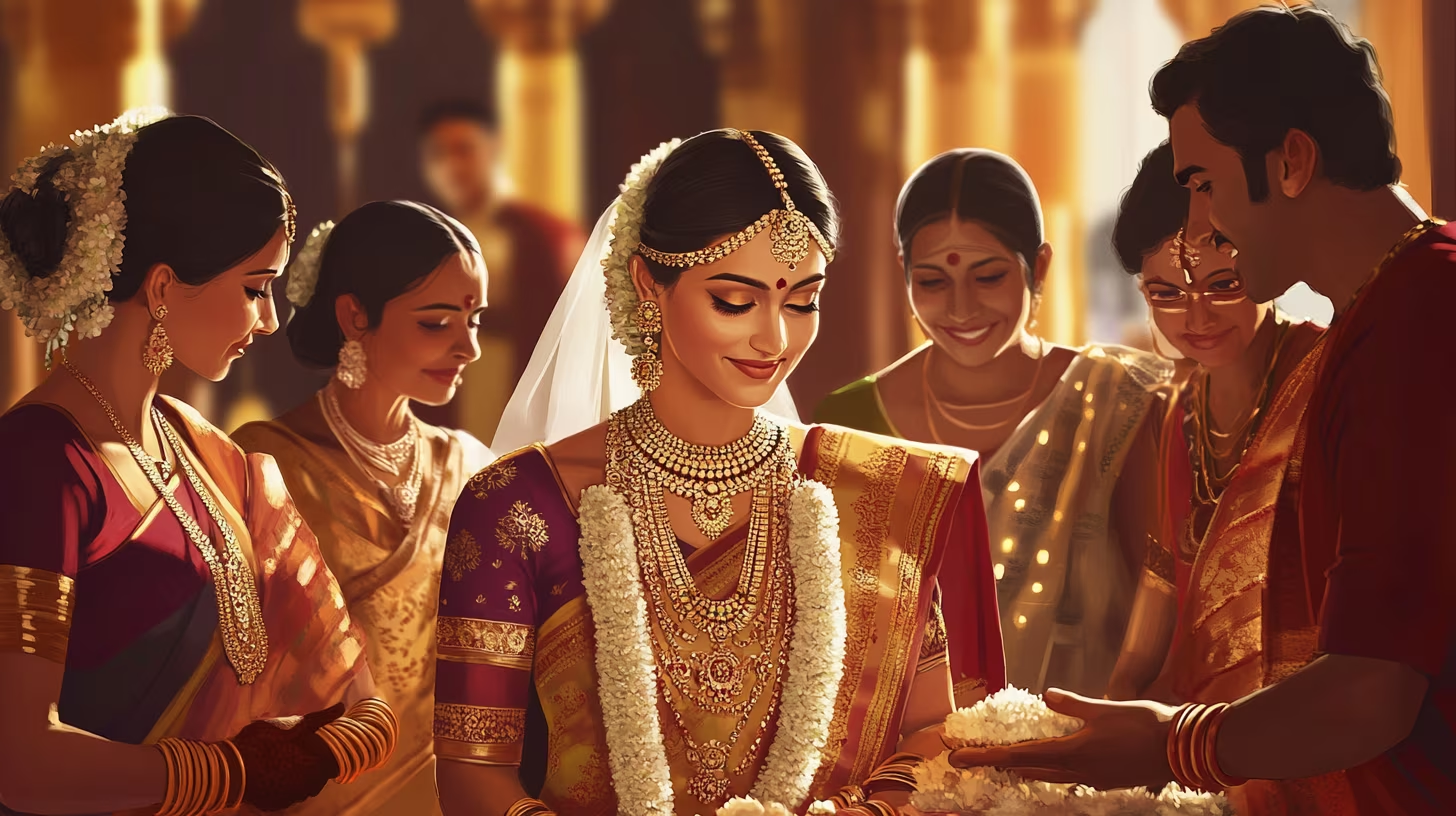
In India, weddings are grand celebrations filled with family, tradition, and centuries-old customs. These ceremonies go beyond the union of two individuals; they represent a cultural heritage where families, beliefs, and legacies come together. Among the many cherished traditions that mark Indian weddings, gold jewelry holds a unique, enduring role. Gold is more than just an ornament or a metal—it is a symbol of prosperity, divine blessings, and lasting commitment. For centuries, gold jewelry has been an essential part of Indian weddings, cherished by families as both a cultural icon and a valuable investment.
The Historical and Cultural Significance of Gold in India
India’s fascination with gold is deeply rooted in history. For over 5,000 years, Indians have mined, worn, traded, and worshipped gold. Ancient texts, such as the Vedas, reference gold as a divine and sacred element, believed to have descended from the heavens. It was regarded as a symbol of purity and wealth that connects individuals with the divine. Gold was used not only for jewelry but also for creating idols, religious symbols, and temple decorations.
In ancient India, gold jewelry was reserved for royalty and the upper class, symbolizing both wealth and divine protection. Kings and queens adorned themselves with intricate gold ornaments, and the finest artisans dedicated their skills to creating masterpieces for the royal family. Over time, gold became more accessible to the general public, and by the time of the Gupta Empire, wearing gold jewelry had become widespread. By the Mughal era, gold was fully embedded in Indian culture, with influences from Persian and Islamic designs enhancing its aesthetic appeal.
Today, this rich history is reflected in the role of gold in Indian wedding traditions, where gold is seen as an auspicious metal that brings good fortune and symbolizes a family’s love, protection, and blessings for the bride and groom.
A Symbol of Prosperity, Blessings, and Good Fortune
In Indian culture, gold is revered not only as a valuable asset but also as a carrier of blessings. Many families include gold jewelry in wedding ceremonies to invite the blessings of Goddess Lakshmi, the Hindu deity of wealth and prosperity. Gold is believed to attract her blessings, ensuring a life of abundance, happiness, and stability for the married couple. Wearing gold at a wedding is considered to bring good luck, and gifting it symbolizes a family’s best wishes for a prosperous future.
Indian families often pass down gold jewelry as heirlooms, creating a legacy that carries the love and values of previous generations. For many brides, wearing her mother’s or grandmother’s jewelry on her wedding day is more than a fashion choice—it is an emotional experience that binds her to her family’s history. In this way, gold becomes a conduit for both tangible and intangible wealth, uniting the past with the future.
Gold Jewelry in Wedding Rituals: A Piece for Every Moment
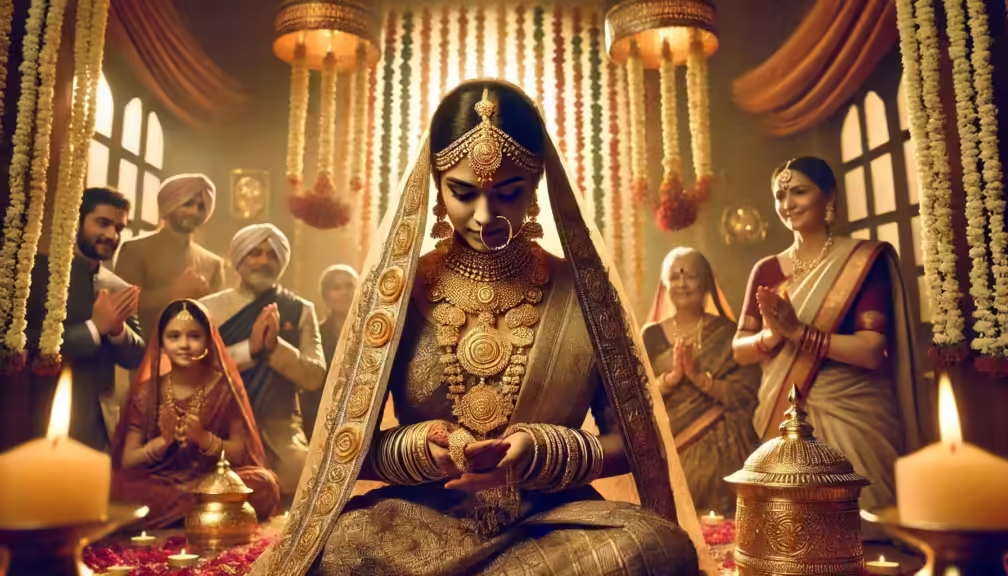
The use of gold in Indian weddings extends beyond simple adornment. Each piece of jewelry has a symbolic meaning and is carefully chosen to reflect different aspects of the bride’s role and responsibilities. Some of the essential gold pieces in Indian wedding jewelry include:
- Maang Tikka: A delicate ornament worn on the forehead, symbolizing the bride’s respect for her marital vows. It represents the connection between body and soul, a balance essential for a harmonious marriage.
- Mangalsutra: The mangalsutra is a sacred necklace tied by the groom around the bride’s neck, symbolizing their union. Traditionally crafted from gold and black beads, it serves as a reminder of the groom’s protection and the sanctity of marriage.
- Bangles (Choodiyan): Bangles are often seen as a symbol of prosperity, marital happiness, and good fortune. In many regions, brides wear bangles throughout their married life to signify their devotion to their family and protect them from negative energy.
- Necklaces (Haar and Rani Haar): Necklaces, especially the Rani Haar, are long, regal pieces of jewelry worn by the bride, symbolizing royalty and grace. They are usually gifted by the bride’s family to wish her a life of prosperity.
- Anklets and Toe Rings (Payal and Bichiya): These are traditionally worn by married women, representing the bride’s new role and responsibilities within her husband’s family. They are believed to enhance the beauty and femininity of the bride.
Each of these pieces plays a role in wedding rituals, embodying both cultural and spiritual meanings that add depth and richness to the ceremony.
Investment in Security and Financial Stability
For Indian families, gold jewelry is more than a wedding expense; it is a financial asset with enduring value. Wedding jewelry is traditionally part of the bride’s stridhan—a Sanskrit term meaning “a woman’s wealth”—which is meant to provide her with security and independence. The concept of stridhan goes back centuries and reflects the respect for women’s financial autonomy in ancient Indian society. This wealth, gifted by her family during the wedding, remains hers regardless of her marital status, ensuring a level of financial security.
In times of financial hardship, families have often relied on gold as a readily available resource. Gold is liquid and valuable, making it an asset that can be easily converted to cash. It serves as a safety net, which families can depend on without losing its intrinsic worth. This tradition of gifting gold reinforces its role as a reliable store of wealth, providing peace of mind to both the bride and her family.
Contemporary Brides and the Evolution of Gold Jewelry
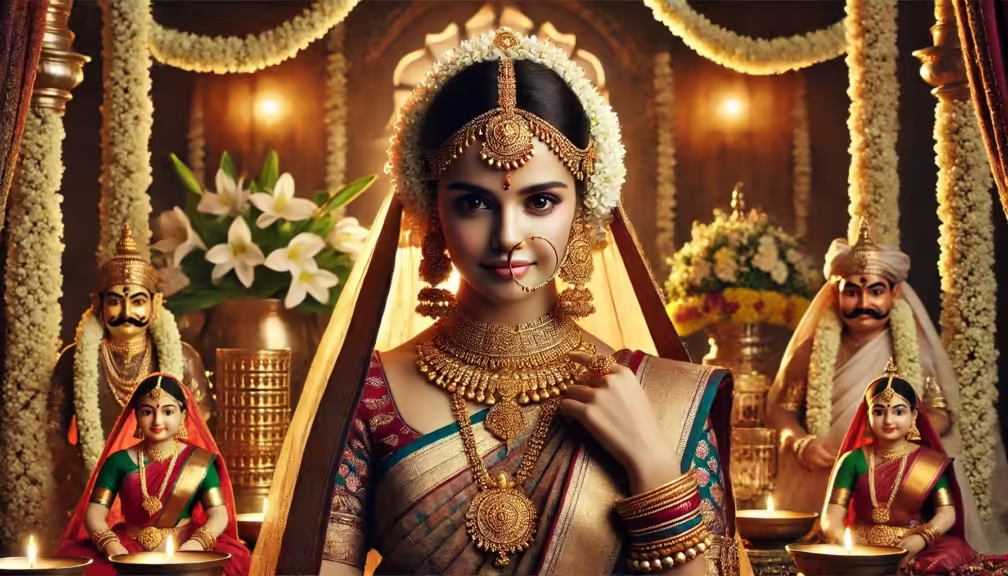
Modern Indian brides may embrace new trends, but gold jewelry remains a treasured part of their wedding attire. The designs and styles may have evolved over time, with many brides opting for minimalist pieces or mixing gold with other elements like gemstones. However, the symbolic value of gold remains unchallenged.
Today, families often choose versatile pieces that can be worn beyond the wedding day, blending traditional aesthetics with contemporary styles. Lightweight gold jewelry is becoming popular, as it allows brides to enjoy the beauty and significance of gold without the weight and formality associated with larger pieces. This evolution allows brides to carry their heritage with them in a way that feels modern and relevant, balancing tradition with personal expression.
Passing Down a Legacy: The Heirloom Value of Gold Jewelry
Gold jewelry gifted to a bride is often intended to be passed down to future generations, creating a lasting family heirloom. In Indian households, gold jewelry becomes part of the family’s legacy, with each piece bearing memories, blessings, and shared values. The practice of passing down jewelry is not only about preserving wealth but also about preserving a family’s identity.
When a bride wears her grandmother’s necklace or her mother’s bangles on her wedding day, she is carrying forward a legacy of love and tradition. These pieces become symbols of family unity, creating an unbroken lineage of memories and blessings. This continuity reinforces the importance of family ties, even as society and traditions evolve. In this way, gold becomes more than a personal possession—it becomes a shared inheritance that connects generations in a bond that grows richer over time.
The Economic and Emotional Value of Gold: A Lasting Commitment
Gold is unique in its ability to hold both emotional and economic value. Unlike other assets that may fluctuate, gold has consistently maintained its worth, making it a wise choice for investment. The value of gold is not only about its market price; it is also about the sentimental attachment it fosters. For families, gifting gold jewelry to a bride is a way to honor her journey, invest in her future, and ensure that she has a lasting reminder of their love and support.
Final Thoughts: Gold as a Symbol of Love, Prosperity, and Heritage
In Indian weddings, gold is much more than an accessory—it is a symbol of love, blessings, financial stability, and cultural pride. For the bride, gold jewelry is an inheritance, an identity, and a connection to her family’s heritage. For the family, it is a celebration of tradition, a way to honor their culture, and a gesture of hope for the future.
Gold’s timeless appeal—both emotional and financial—makes it irreplaceable in Indian culture. As families gather to celebrate marriage, gold stands as a testament to India’s rich cultural heritage, blending spirituality with practicality. It is a true wealth of tradition—a commitment to love, prosperity, and legacy that continues to bridge the past, present, and future for every Indian family.